In the quest to protect children in an increasingly complex digital landscape, parental control tools have historically relied on covert surveillance: hidden keyloggers, secret location pings, and background screenshotting.
However, emerging child psychology studies and digital safety recommendations show that hidden surveillance often undermines the exact outcome parents want—mutual trust and open communication.
01
The Core Problem with Covert Monitoring
When a child discovers their private conversations are being secretly monitored, the psychological reaction is predictable:
- Evasion Tactics: Children seek secondary unmonitored channels, burner accounts, or hidden messaging apps.
- Breakdown of Trust: The child stops approaching the parent when real dangers occur (such as cyberbullying or online extortion) for fear of getting their device confiscated.
- Erosion of Digital Literacy: Hidden monitoring fails to teach children how to navigate digital boundaries independently.
02
The Alternative: Transparent Safety Circles
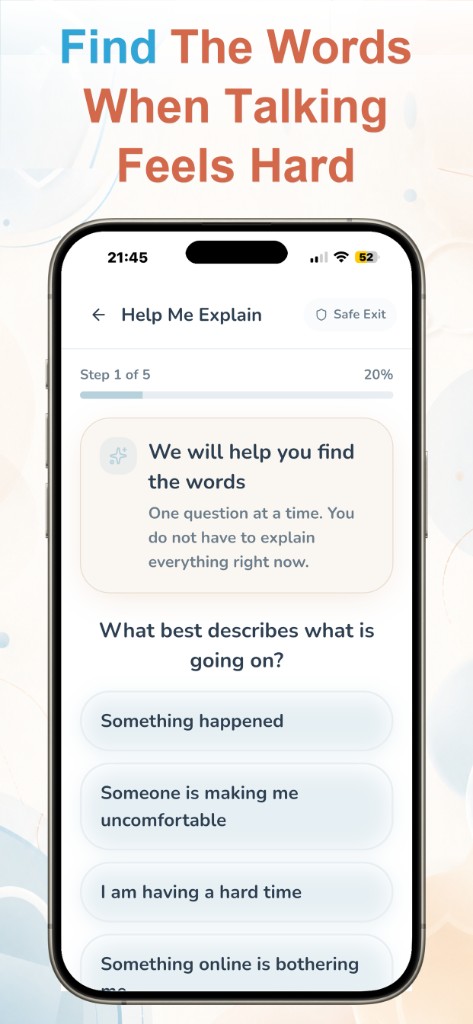
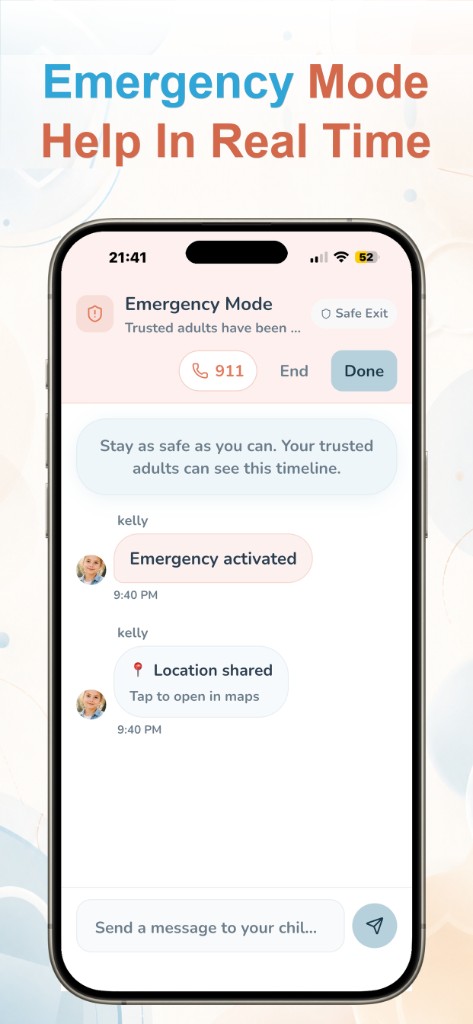
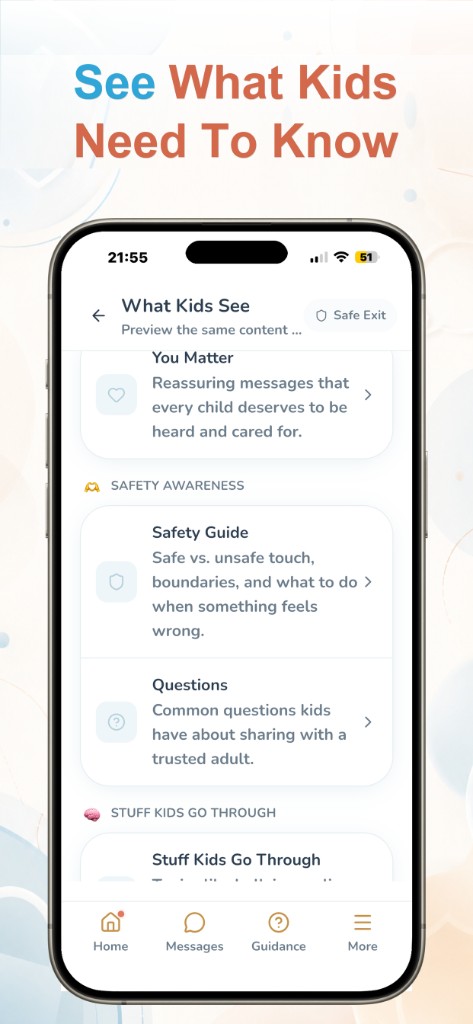
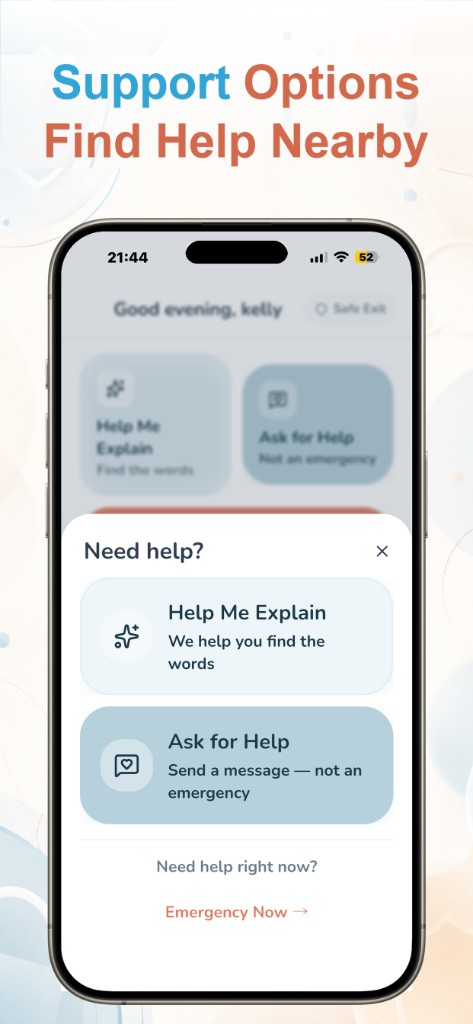
Modern child safety applications are shifting toward transparent, child-empowered architecture. Platforms such as Trust Buddy operate on a clear model where the child is an active participant in their own digital safety.
How hidden surveillance tools compare with transparent safety networks like Trust Buddy:
- Location Sharing: Hidden tools use covert background pings. Trust Buddy uses clear, visible indicators with child awareness.
- Messaging Access: Hidden tools rely on secret keystroke logging. Trust Buddy uses closed, parent-approved private Trust Circles.
- Emergency Alerts: Hidden tools lean on automated algorithmic flags. Trust Buddy uses voluntary, one-tap child-initiated alerts.
- Child Perception: Hidden tools often feel like "My parents don't trust me." Transparent networks feel like "I have a direct lifeline to my trusted adults."
03
Building a Safe Digital Environment Under COPPA
True digital safety for children under 13 requires strict compliance with federal privacy standards. Transparent family applications ensure that:
- Personal communications are never scraped or sold for targeted advertising.
- Direct messaging capabilities are locked to verified family members and approved mentors.
- Public discovery channels are disabled to prevent stranger contact.
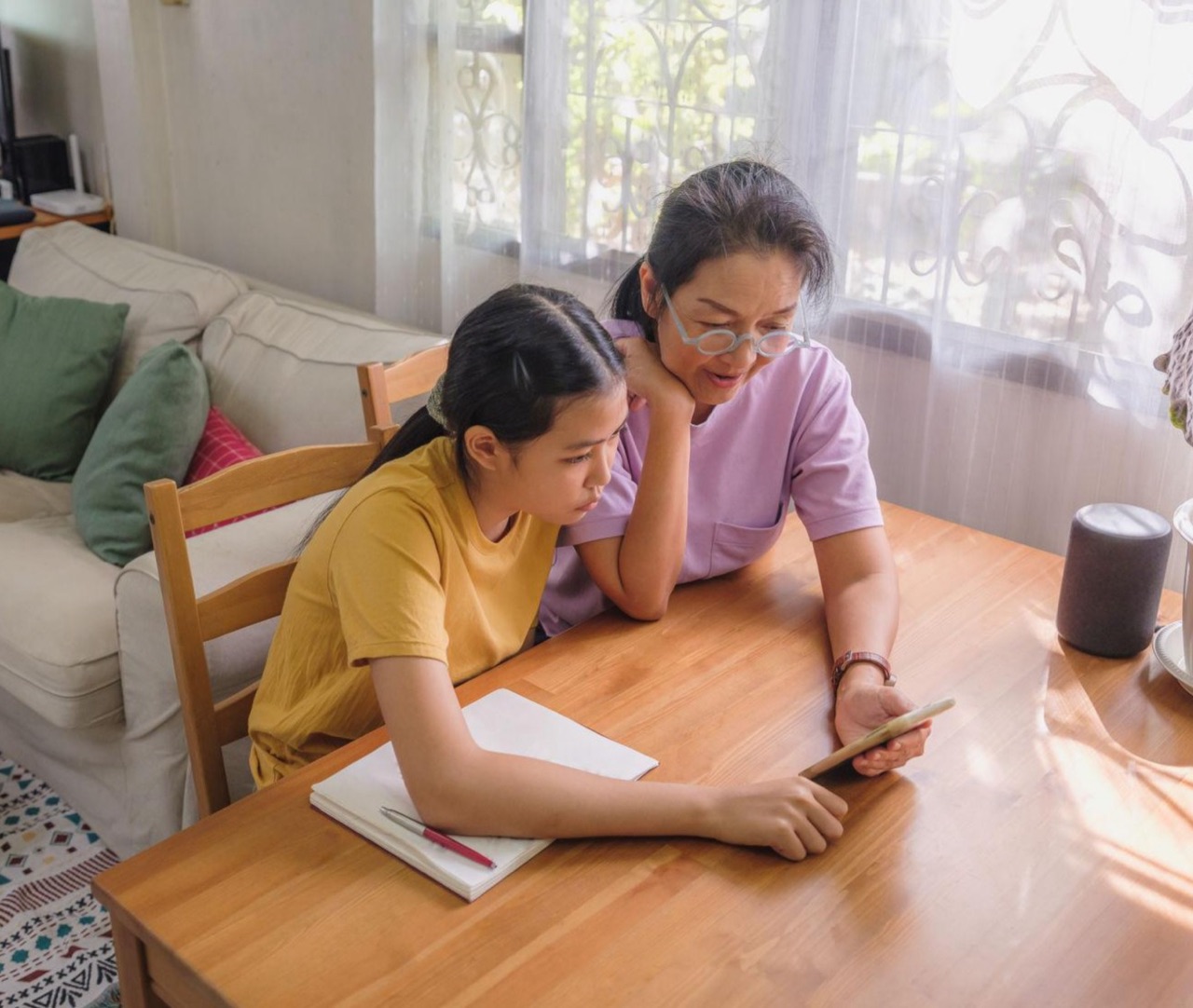
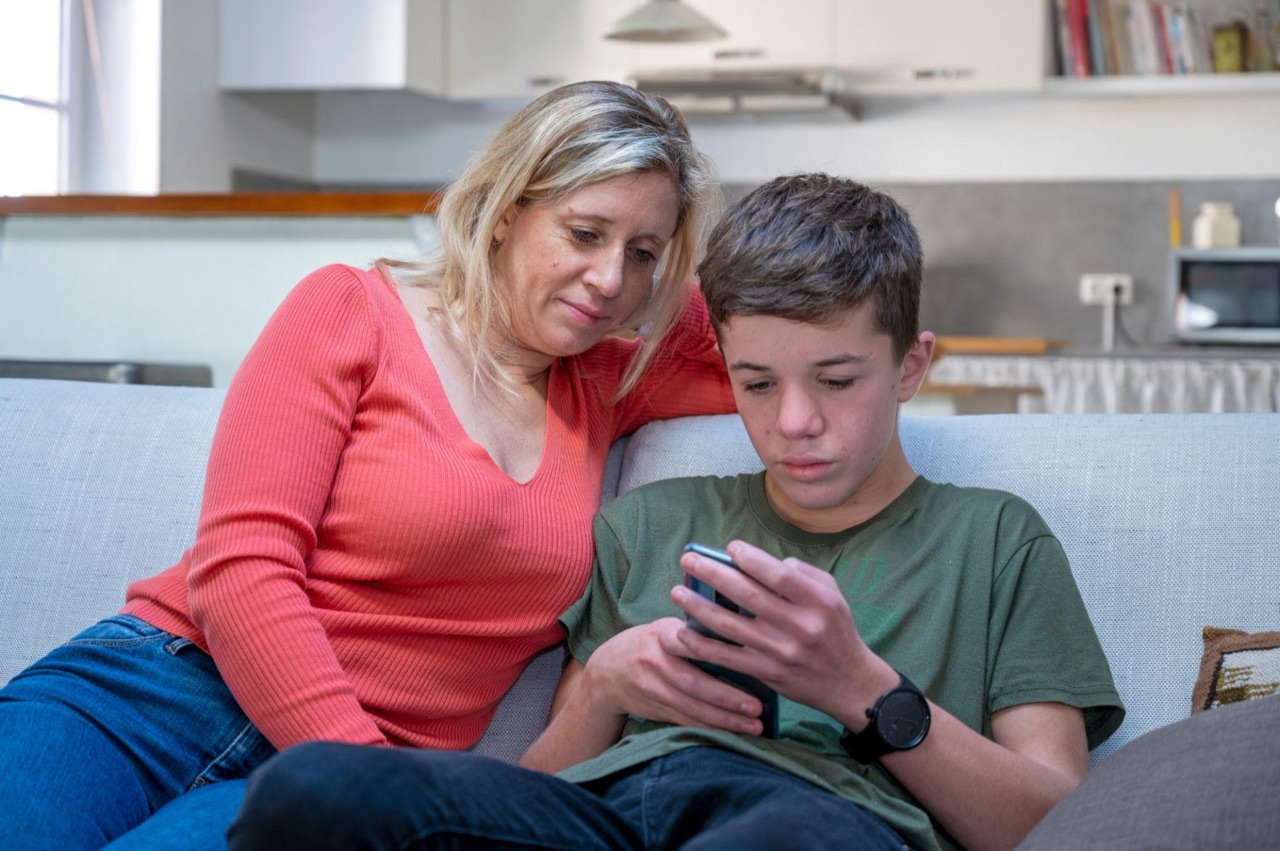
By prioritizing transparency over surveillance, parents can create a secure digital environment where children feel protected rather than policed.
Written by
Trust Buddy Team
We build Trust Buddy, a calm way for children to reach trusted adults when something feels wrong, scary, or hard to explain.