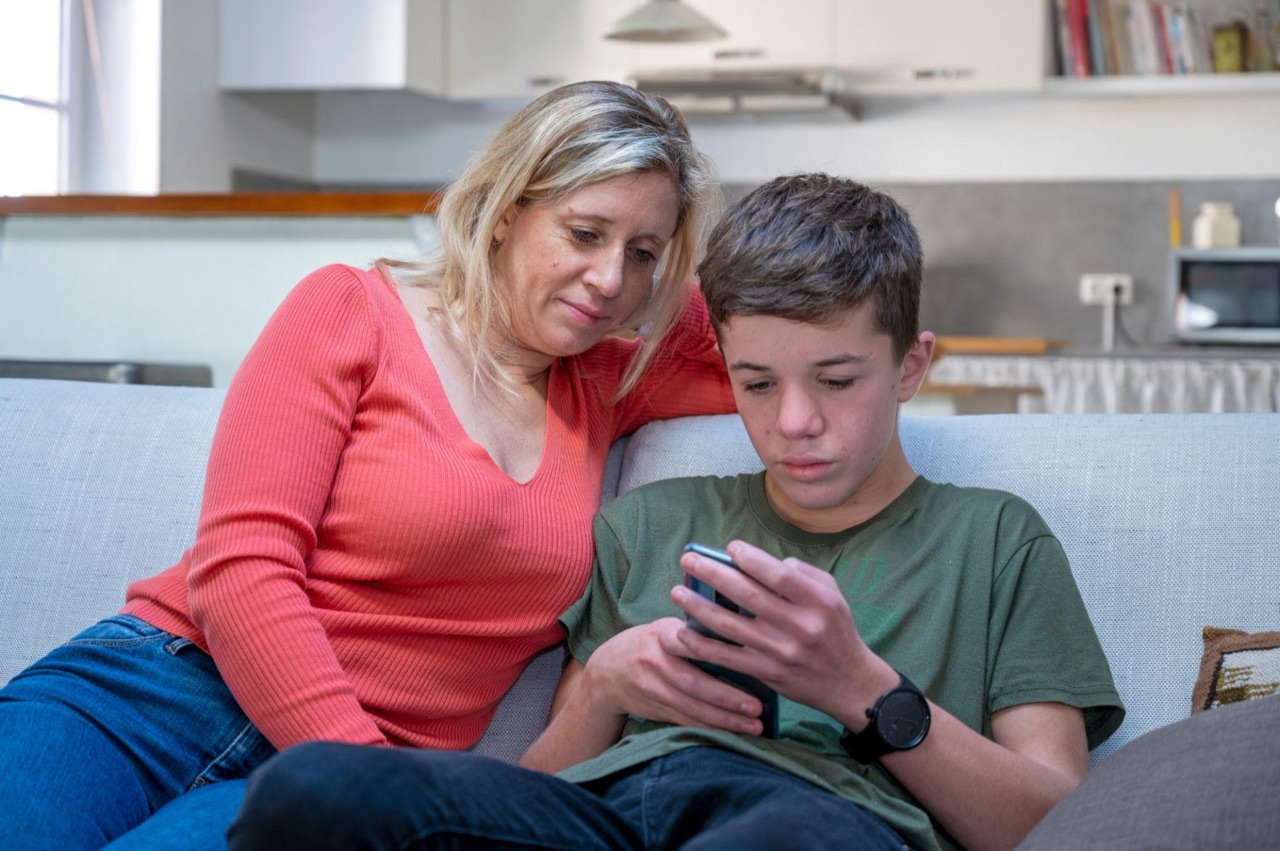
For parents of tweens and young teens, the most frustrating question in the English language is often: "How was your day?"
The standard response—"Fine" or "Okay"—is rarely a complete answer. In pediatric developmental psychology, this communication barrier is known as emotional paralysis. When a child feels overwhelmed, anxious, or embarrassed by an interaction at school or online, the cognitive load required to translate those complex feelings into spoken words can feel insurmountable.
This is why traditional face-to-face sit-downs can unintentionally trigger defensiveness in children aged 9 to 14. To overcome this hurdle, child safety researchers and digital developers are turning to a new model: Gamified Mood Check-Ins and Digital Scaffolding.
01
What Is a Digital Communication Buffer?
A digital communication buffer is a structured interface that allows a child to express an emotion or report an event without requiring immediate, high-pressure vocal articulation.
When a child uses a guided visual tool—such as selecting an interactive mood icon or completing a pre-structured prompt—the brain shifts out of a fight-or-flight defensive loop into an active problem-solving mode.
Key psychological benefits include:
- Reduced Vulnerability Friction: Text and visual prompts act as an intermediary shield, removing the immediate fear of a parent's visual reaction.
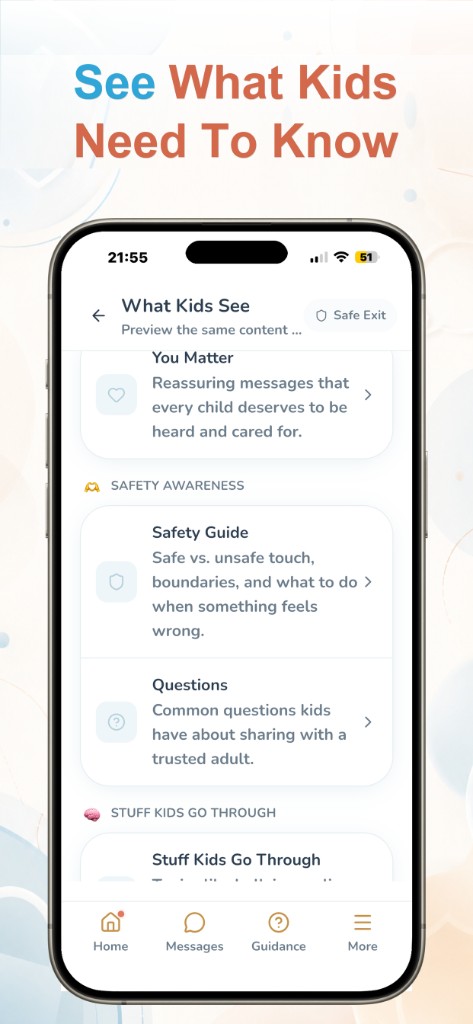
- Vocabulary Assistance: Children frequently lack the precise emotional vocabulary to differentiate between feeling nervous, ashamed, or physically unsafe. Scaffolding gives them the words.
- Child-Initiated Autonomy: Gamified check-ins give the child agency over when and how they signal for support.
02
Gamification vs. Entertainment: Designing Screen Time for Good
Not all screen time is created equal. While open-ended social media platforms rely on infinite scroll mechanics to trap child attention, purpose-driven gamified check-ins utilize game design principles for micro-interactions.
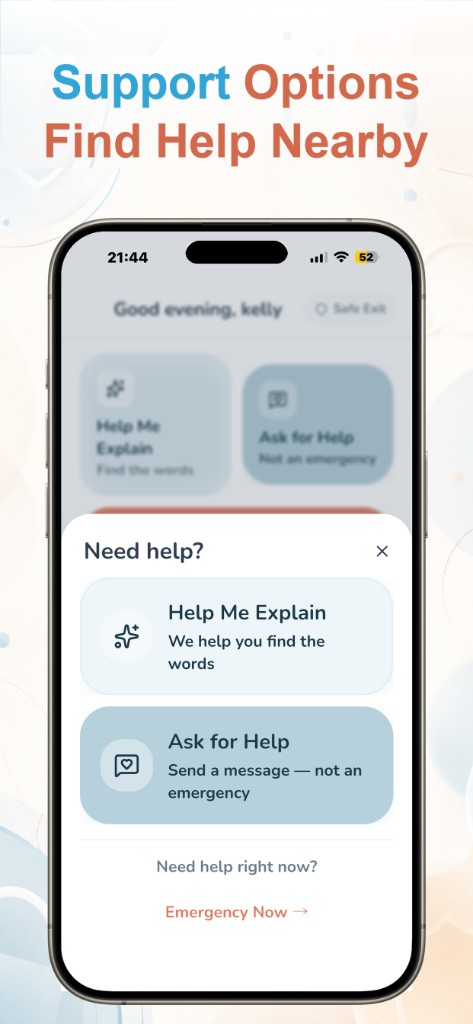
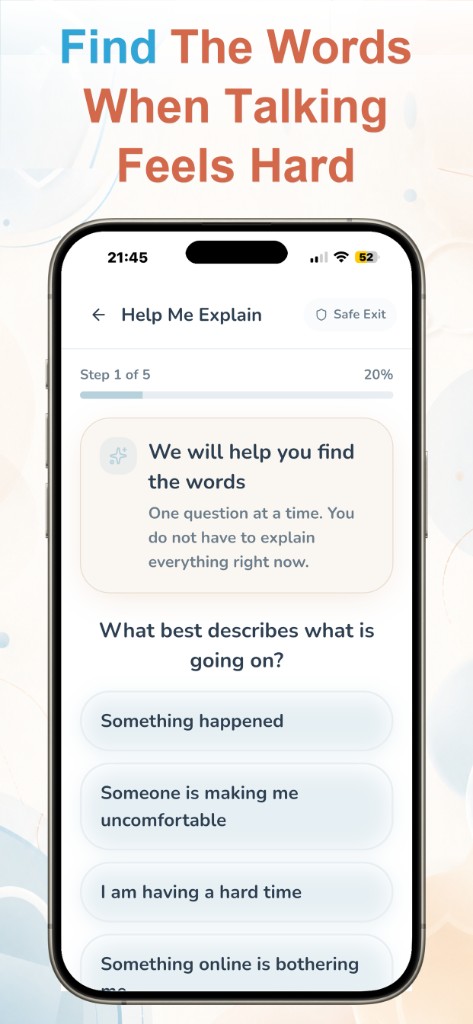
Instead of rewarding endless engagement, apps like Trust Buddy use gamification to make daily emotional check-ins fast, intuitive, and reassuring. By turning daily mood updates into simple interactive steps, children view emotional check-ins as a normal routine rather than a chore or punishment.
When we provide children with safe, non-judgmental digital avenues to flag discomfort, we bridge the gap between digital screen habits and real-world family resilience.
03
How Parents Can Implement Guided Digital Check-Ins
- Establish a Daily Low-Stakes Baseline: Encourage your child to send a daily visual check-in even when everything is going well. This normalizes the system so sending an alert during a stressful moment doesn't feel daunting.
- Respect the Buffer: When your child uses a guided feature like Help Me Explain to notify you of an issue, respond with validation rather than panic. Acknowledge their courage in using the tool.
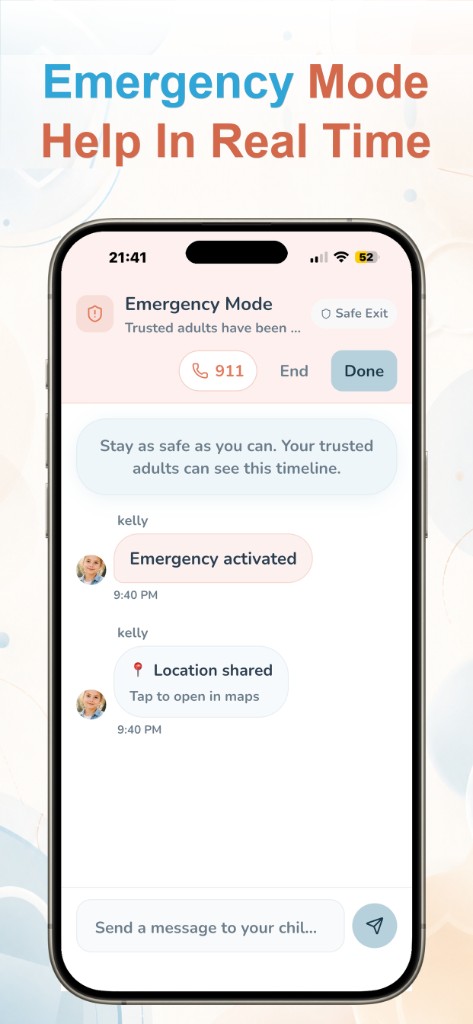
- Keep the Network Closed: Ensure digital messaging happens exclusively within a COPPA-compliant, parent-approved closed network to eliminate exposure to unverified third parties.
Written by
Trust Buddy Team
We build Trust Buddy, a calm way for children to reach trusted adults when something feels wrong, scary, or hard to explain.