In this article · 9 sections
You ask your child how they’re doing, and they say “fine.” You ask whether anything happened at school, and they shrug. You want to help, but the more questions you ask, the more they seem to withdraw.
If this sounds familiar, you’re not alone. Children may struggle to explain their feelings, worry about disappointing a parent, or simply need time to understand what they’re experiencing.
Learning how to get your child to open up isn’t about finding the perfect question. It’s about creating an environment where your child feels safe enough to share when they’re ready.
01
Make Listening Feel Safe
When your child shares something difficult, your first reaction matters. Strong reactions, immediate criticism, or a long lecture can make a child hesitate to share next time.
Try starting with:
- “I’m glad you told me.”
- “That sounds difficult.”
- “Can you tell me a little more?”
- “I’m here to listen.”
You don’t have to agree with every decision your child makes to show that they can talk to you.
02
Ask Open-Ended Questions
Questions that can be answered with yes or no often end conversations quickly. Open-ended questions invite children to explain their experiences in their own words.
Instead of asking, “Did you have a good day?” try:
- “What was something interesting about today?”
- “Was there anything that felt difficult?”
- “What do you wish had gone differently?”
Ask one question at a time, and give your child space to answer.
03
Choose Relaxed Moments
Some children find face-to-face conversations uncomfortable, especially when the topic is serious. Talking while cooking, walking, drawing, or driving together may feel more natural.
You don’t need to schedule a formal conversation every time you want to connect. Small, everyday moments can create opportunities for children to share.
04
Don’t Force the Conversation
If your child isn’t ready to talk, let them know you’re available without demanding an answer.
“You don’t have to talk about it right now. I’m here whenever you’re ready.”
If you have a specific safety concern, however, don’t ignore it simply because your child is reluctant to discuss it. Ask calm, direct questions and seek appropriate help when needed.
05
Make Room for Uncomfortable Feelings
Children need to know that they can talk about embarrassment, anger, mistakes, friendship problems, and worries without automatically getting into trouble.
You can set boundaries while still listening. For example: “We need to talk about what happened, but first I want to understand how you were feeling.”
When children learn that difficult feelings are allowed, they may find it easier to explain what’s happening.
06
Talk About Asking for Help Before a Problem Occurs
Don’t wait until a child is upset to discuss trusted adults. Talk ahead of time about who they can approach at home, at school, and in other settings.
Help your child practice simple phrases such as:
- “I need help with something.”
- “Something happened, and I’m not sure what to do.”
- “Can I tell you something without you getting upset first?”
Practice can make these words easier to find when a child is nervous.
07
Be Consistent
One conversation won’t build lasting trust by itself. Children learn from repeated experiences: whether you listen, whether you follow through, and whether you remain available when things are difficult.
Make connection part of ordinary family life. Ask about their interests, notice their efforts, and spend time together without expecting them to share something personal every time.
08
What If Your Child Still Won’t Talk?
There may be many reasons a child is quiet. They might be tired, need privacy, feel unsure how to explain something, or worry about how others will react.
Keep the door open without assuming you know the reason. If you have concerns about bullying, abuse, or immediate safety, take those concerns seriously and seek appropriate professional or safeguarding support.
09
Helping Children Find Their Voice
At Trust Buddy, our mission is to help families build communication and strengthen connections between children and trusted adults. We believe children should know that asking for help is a strength, not something to be ashamed of.
You can’t make a child share every thought. But you can keep showing them that when they’re ready to talk, someone will listen.
Start small today: choose one relaxed moment, ask an open-ended question, and give your child time to answer.
Written by
Trust Buddy Team
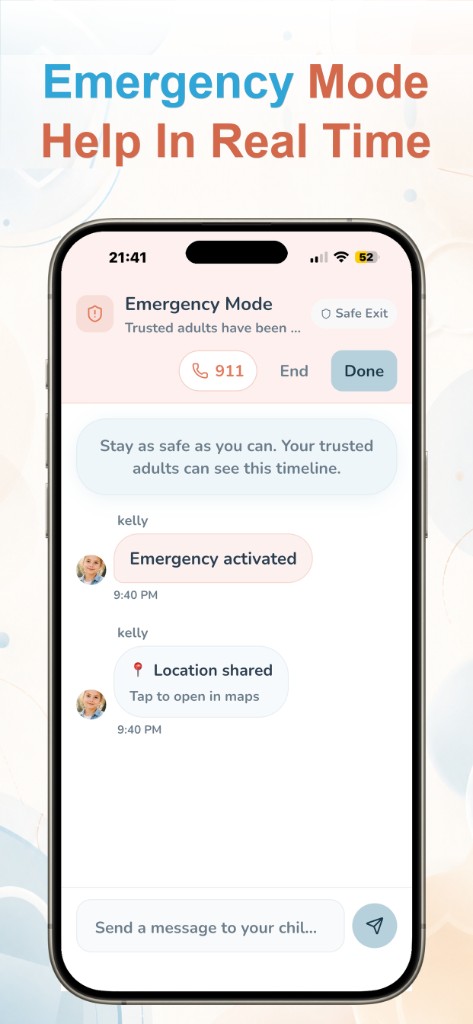
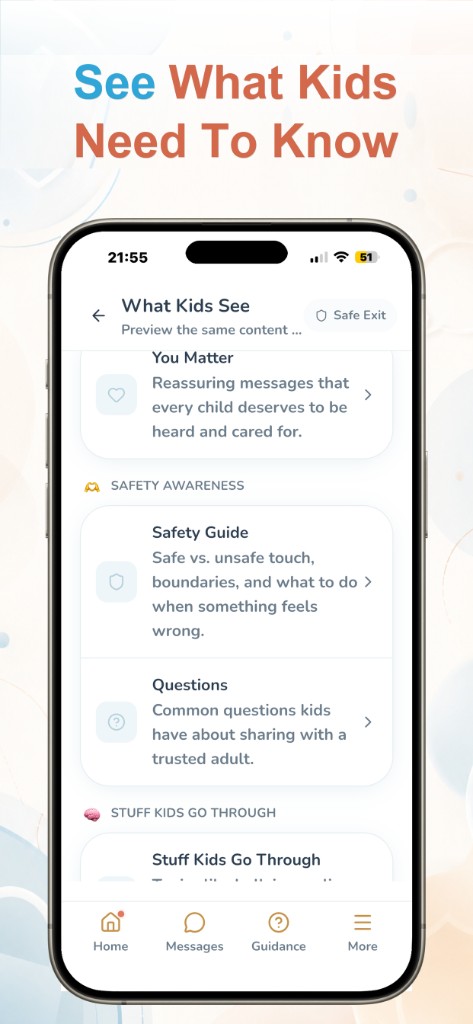
We build Trust Buddy, a calm way for children to reach trusted adults when something feels wrong, scary, or hard to explain.