As parents, few things feel as alarming as noticing a distance growing between us and our children. You might notice your child quickly hiding their phone screen when you walk into the room, becoming unusually quiet after checking messages, or dodging simple questions about their day.
If you are currently asking yourself “why do kids keep secrets from parents?” or worrying about whether your child is facing hidden online pressures, you are not alone. Understanding the underlying reasons for their secrecy, and knowing how to spot potential warning signs, is the first step toward building a safer, more open relationship.
01
Why Do Kids Keep Secrets From Parents?
It is natural for kids and teenagers to seek independence as they grow. However, when it comes to their digital lives, keeping secrets often stems from fear rather than a simple desire for privacy.
Common reasons kids hide things online include:
- Fear of losing their device: Many kids worry that if they tell a parent about a problem online, their phone or internet access will be taken away as punishment.
- Embarrassment or shame: If they are being targeted by peers or exposed to uncomfortable content, they may feel responsible or embarrassed.
- Fear of getting someone else in trouble: Children often keep quiet to protect friends or avoid escalating drama at school.
Understanding these fears helps us approach our children with empathy rather than frustration.
02
3 Critical Signs My Kid Is Being Bullied Online
Online bullying (cyberbullying) often happens quietly behind screen backlights. Recognizing the subtle behavioral shifts can help you intervene before the situation escalates.
If you are looking for signs my kid is being bullied, pay close attention to these indicators:
- 1Emotional changes after device use: Noticeable mood swings, anxiety, agitation, or sudden sadness immediately after checking text messages or social media apps.
- 2Secretive digital behavior: Aggressively closing tabs, hiding screens, creating secondary “finsta” or hidden accounts, or using password-locked messaging apps without explanation.
- 3Physical or academic withdrawal: A sudden drop in grades, loss of interest in favorite hobbies, or physical symptoms like frequent headaches and stomachaches on school mornings.
03
How to Get My Teen to Open Up (Without Pushing Them Away)
When you suspect something is wrong, firing off direct questions can cause teenagers to shut down completely. Learning how to get my teen to open up requires creating a low-pressure environment where they feel safe sharing uncomfortable truths.
Here are three effective strategies:
- Shift from interrogation to curiosity: Instead of asking “Who were you texting?”, try asking “I noticed you seemed a bit stressed after looking at your phone earlier. Is everything okay, or do you want to vent?”
- Reassure them about consequences: Make a clear agreement: “You will never lose your phone for coming to me with a problem or telling me the truth about what’s happening online.”
- Start conversations during side-by-side activities: Teenagers often open up more easily during low-pressure activities where direct eye contact isn’t constant, such as driving in the car, cooking together, or taking a walk.
04
Supporting Your Child’s Digital Safety with Trust Buddy
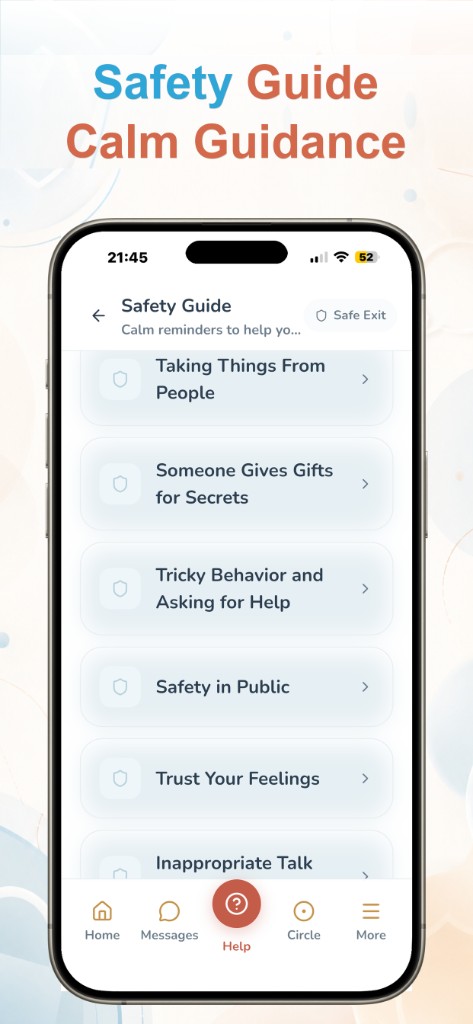
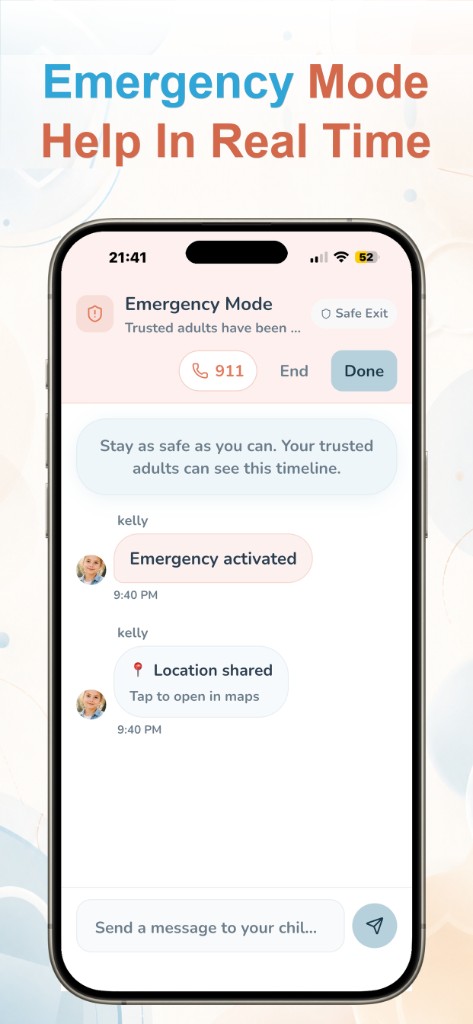
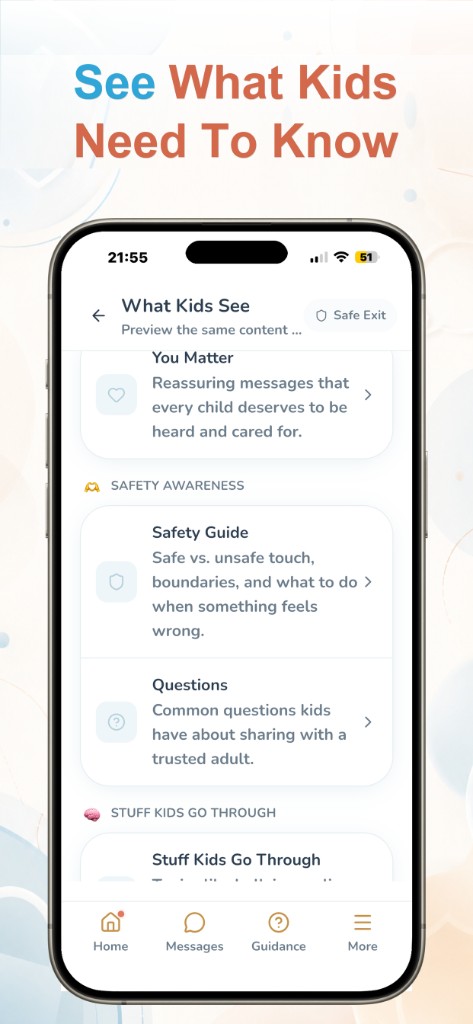
Creating an open dialogue takes time, but ensuring your child’s safety online requires continuous support. That is why apps like Trust Buddy are designed to help bridge the gap between parental protection and digital independence.
Trust Buddy provides parents with gentle insights into online safety concerns, like cyberbullying or unsafe contacts, without invading every private detail of your child’s personal conversations. By providing actionable alerts, Trust Buddy gives you the exact peace of mind you need to start constructive, supportive conversations with your child.
Written by
Trust Buddy Team
We build Trust Buddy, a calm way for children to reach trusted adults when something feels wrong, scary, or hard to explain.